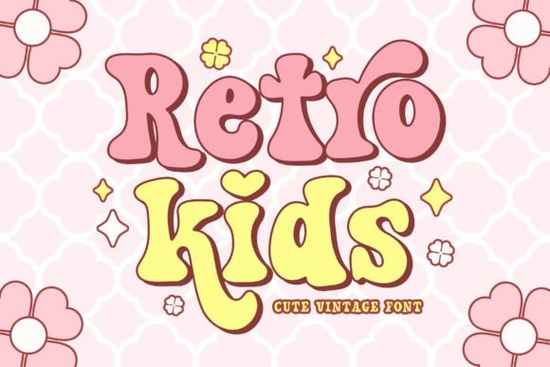
If you're looking for a friendly, nostalgic typeface that feels like a sunny afternoon in 1978 but still works beautifully on modern school supplies, birthday invites, or craft projects Retro Kids Font is a thoughtful choice. It’s not overly loud or cartoonish, but it carries just the right amount of vintage charm: soft serifs, gentle curves, and a relaxed rhythm that reads as both playful and legible. Designed with back-to-school themes in mind, it also fits naturally into summer crafts, kids’ apparel, stickers, sublimation prints, and handmade greeting cards.
What makes Retro Kids Font work so well for real projects?
Unlike fonts that lean too hard into “retro” (think heavy distressed textures or exaggerated spacing), Retro Kids keeps things clean and usable. Its uppercase and lowercase alternates let you mix and match without needing extra design software just switch glyphs in your layout app. That means you can give a t-shirt slogan more personality, soften a classroom banner, or add subtle variation to a printable sticker sheet all without overcomplicating your workflow.
It’s especially helpful if you’re designing for younger audiences but want to avoid clichéd “kiddie” fonts. There’s warmth here not gimmickry. You’ll notice how smoothly it pairs with hand-drawn illustrations, chalkboard textures, or even minimalist layouts. And because it’s a serif font with retro roots, it stands out gently among the sea of sans-serifs dominating today’s print-on-demand market.
Where do designers actually use this font?
Real-world use cases include:
- Back-to-school labels, name tags, and supply lists
- Digital or printable birthday invitations for ages 4–10
- Sublimation-ready designs for kids’ hoodies or tote bags
- Crafting templates think iron-on transfers, vinyl cut files, or scrapbook headers
- Small-batch sticker sheets for teachers or indie stationery shops
One small business owner told us they used Retro Kids Font across three product lines: laminated flashcards, editable classroom posters, and seasonal party printables and saw a 22% increase in repeat buyers citing “consistency and charm” as reasons.
How does it compare to other popular display fonts?
If you already own Stay Funky Font, you’ll appreciate how Retro Kids offers a gentler, more grounded alternative less bold and energetic, more cozy and familiar. For those who love Cormorant Garamond but need something friendlier for children’s contexts, Retro Kids bridges that gap with its approachable proportions and open letterforms. And while Varsity Narrow brings sporty energy, Retro Kids leans into warmth and whimsy instead making it easier to pair with pastel palettes or natural paper textures.
Even if you prefer structured, stacked layouts, Simple Stacked Font shows how clean geometry can complement Retro Kids when used for headings + body text combos like pairing a bold Retro Kids title with Simple Stacked for bullet points or instructions.
Practical tips before you download
• Check your software compatibility first: Retro Kids includes OTF and TTF formats, so it works in Cricut Design Space, Silhouette Studio, Canva (with upload), Adobe apps, and most cutting machines.
• Use the alternates sparingly just one or two per design to keep readability high and visual noise low.
• Pair it with simple sans-serifs (like Open Sans or Montserrat) for contrast, not competition.
• Test print at actual size: what looks charming on screen may feel cramped on a 2-inch sticker unless you adjust tracking slightly.
It’s worth noting that while many retro fonts sacrifice clarity for style, Retro Kids was tested across multiple age groups for legibility especially important if you’re making resources for early readers or multilingual classrooms.
Before you go: If you’re building a themed collection say, a full back-to-school bundle consider rounding it out with complementary fonts that share similar weight and x-height. That helps maintain cohesion across worksheets, banners, and digital assets without forcing everything into the same typeface.
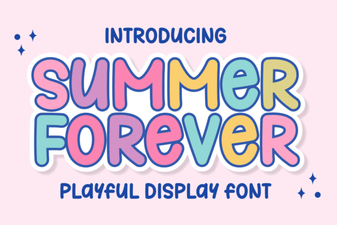 Summer Forever: a Creative Font for Design Projects
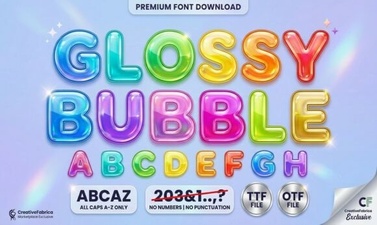 Glossy Bubble Font Design Ideas and Uses
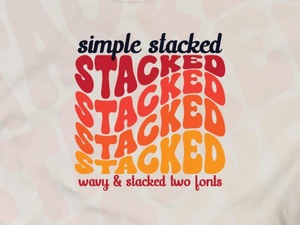 Stacked Typography: Simple & Creative Font Ideas
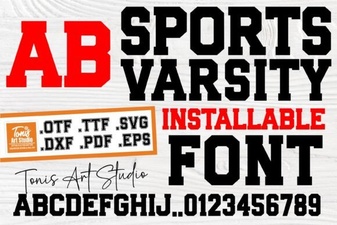 Dynamic Sports Varsity Fonts for Team Identity
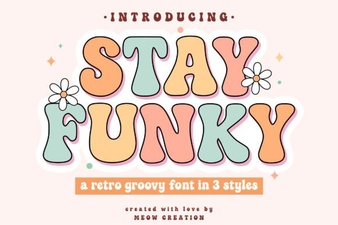 Design Your Project with Stay Funky Font
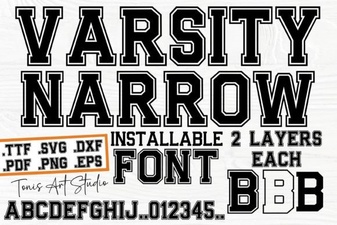 Varsity Narrow Font Download & Design Styles